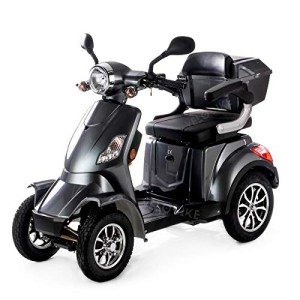
Electric Mobility Scooters UK: A Comprehensive Guide
Electric mobility scooters have rapidly end up being a crucial part of contemporary transport, specifically in the United Kingdom. These devices offer a convenient, environment-friendly, and cost-effective option for individuals with mobility issues, permitting them to maintain their self-reliance and navigate their every day lives with greater ease. This post supplies a comprehensive summary of electric mobility scooters in the UK, including their benefits, types, legal factors to consider, and suggestions for choosing the ideal design.
Introduction to Electric Mobility Scooters
Electric mobility scooters are motorized automobiles created to assist individuals with walking problems or other mobility problems. They come in numerous sizes and styles, from compact models for indoor usage to robust, all-terrain scooters for outdoor activities. These scooters are powered by rechargeable batteries and can reach speeds of up to 8 mph, depending on the design.
Advantages of Electric Mobility Scooters
- Enhanced Independence
- Mobility scooters make it possible for users to take a trip longer ranges without fatigue, minimizing the need for support from others.
- Affordable
- Compared to other forms of transport, electric scooters are fairly economical to buy and keep.
- Eco-Friendly
- Electric mobility scooters produce zero emissions, making them an eco-friendly choice.
- Improved Accessibility
- These scooters can be utilized in numerous settings, from grocery stores and shopping mall to parks and leisure locations, increasing accessibility.
- Social Inclusion
- By providing a way of transportation, mobility scooters help users stay socially linked and participated in neighborhood activities.
Kinds Of Electric Mobility Scooters
Class 2 (Electric Wheelchairs)
- Designed for usage on pavements and paths.
- Maximum speed: 4 mph.
- Appropriate for indoor and outdoor usage.
Class 3 (Electric Mobility Scooters)
- Can be utilized on roads, pavements, and walkways.
- Optimum speed on roads: 8 mph.
- Optimum speed on pavements: 4 miles per hour.
- Perfect for longer journeys and outside usage.
Collapsible Scooters
- Compact and lightweight, designed for simple storage and transportation.
- Ideal for users who often travel or have restricted storage space.
All-Terrain Scooters
- Built to manage rough surface and off-road conditions.
- Frequently have bigger wheels and more powerful motors.
- Perfect for users who enjoy outside activities like hiking or gardening.
Heavy-Duty Scooters
- Designed to support users with greater weight capabilities.
- Durable building and construction and boosted resilience.
- Suitable for people who need a more robust and trustworthy choice.
Legal Considerations in the UK
Licensing and Insurance
- No driving license or insurance coverage is needed for Class 2 and Class 3 mobility scooters.
- However, users should be at least 14 years of ages to ride a Class 3 scooter on the road.
Road Rules
- Class 3 scooters must have a red and amber light system and a rear reflector to be used on the road.
- Users should follow roadway guidelines and understand their environments.
- Pavement use is limited to 4 mph for both Class 2 and Class 3 scooters.
Disability Allowance
- Some users may be eligible for a mobility allowance through the UK government, which can assist cover the expense of a scooter.
- The Motability Scheme is a government-funded program that provides financial assistance for acquiring mobility help.
Tips for Choosing the Right Electric Mobility Scooter
Assess Your Needs
- Determine where and how you will mainly use the scooter (indoors, outdoors, both).
- Think about the distance you require to travel and the terrain you will encounter.
Test Ride
- Visit a local mobility shop to test ride different designs.
- Make sure the scooter is comfortable and simple to run.
Battery Life
- Pick a scooter with a battery life that matches your daily requirements.
- Consider the charging time and the schedule of backup batteries.
Weight Capacity
- Inspect the weight capacity of the scooter to guarantee it can support your needs.
- Heavy-duty designs are offered for users with greater weight requirements.
Functions and Accessories
- Search for functions like adjustable seats, tilt systems, and easy-to-read control board.
- Think about devices such as baskets, safety belt, and weather protection.
Upkeep and Safety
Regular Check-Ups
- Set up routine maintenance checks to guarantee the scooter is in excellent working condition.
- Change worn parts and charge the battery frequently.
Safety Gear
- Always use proper safety equipment, such as a helmet and reflective clothes.
- Use lights and reflectors when riding in low-light conditions.
Roadway Etiquette
- Be courteous to pedestrians and other roadway users.
- Follow designated courses and avoid congested locations.
Storage and Security
- Store the scooter in a dry, protected place to avoid damage and theft.
- Think about using a locking mechanism or GPS tracker for included security.
Regularly Asked Questions (FAQs)
Q: Do I need a driving license to use an electric mobility scooter in the UK?
- A: No, a driving license is not required for Class 2 or Class 3 mobility scooters. However, buy mobility scooters should be at least 14 years of ages to ride a Class 3 scooter on the roadway.
Q: Can I use my mobility scooter on the pavement?
- A: Yes, both Class 2 and Class 3 scooters can be used on pavements and footpaths. senior scooters for sale near me on pavements is 4 miles per hour.
Q: How much does an electric mobility scooter cost?
- A: Prices differ depending upon the model and features. Entry-level scooters can cost around ₤ 500, while advanced models can range from ₤ 1,000 to ₤ 5,000.
Q: Is there monetary help available for purchasing a mobility scooter?
- A: Yes, the Motability Scheme provides financial help for qualified individuals. You might also be eligible for a disability allowance to help cover the expense.
Q: How far can an electric mobility scooter travel on a single charge?
- A: The range differs by design, however a lot of scooters can travel in between 10 to 30 miles on a single charge. Durable designs may have a shorter range.
Q: Can I transfer my mobility scooter in a vehicle?
- A: Yes, foldable and light-weight designs are designed for easy transportation. Some automobile producers likewise provide adaptive equipment to accommodate mobility scooters.
Q: Are there any age restrictions for utilizing a mobility scooter?
- A: There are no particular age constraints for using a Class 2 scooter. However, users should be at least 14 years old to ride a Class 3 scooter on the roadway.
Q: Can I utilize my mobility scooter in bad weather condition?
- A: Most electric mobility scooters are weather-resistant, but it's advisable to utilize caution and prevent very wet or icy conditions. Think about including weather protection accessories.
Electric mobility scooters have actually reinvented the way individuals with mobility issues travel and take part in day-to-day activities. With their numerous advantages, consisting of improved self-reliance, cost-effectiveness, and ecological friendliness, they are a valuable investment for many individuals. By comprehending the different kinds of scooters, legal factors to consider, and upkeep suggestions, users can make educated decisions and enjoy the full series of benefits these devices offer. Whether you are looking for a compact indoor design or a robust all-terrain scooter, there is a perfect option available to meet your needs and enhance your quality of life.
Additional Resources
- Motability Scheme: Visit the official site to learn more on financial help and eligibility.
- Department for Transport: Read the guidelines for utilizing mobility scooters in the UK.
- Local Mobility Shops: Find a credible shop in your location to evaluate trip and acquire a mobility scooter.